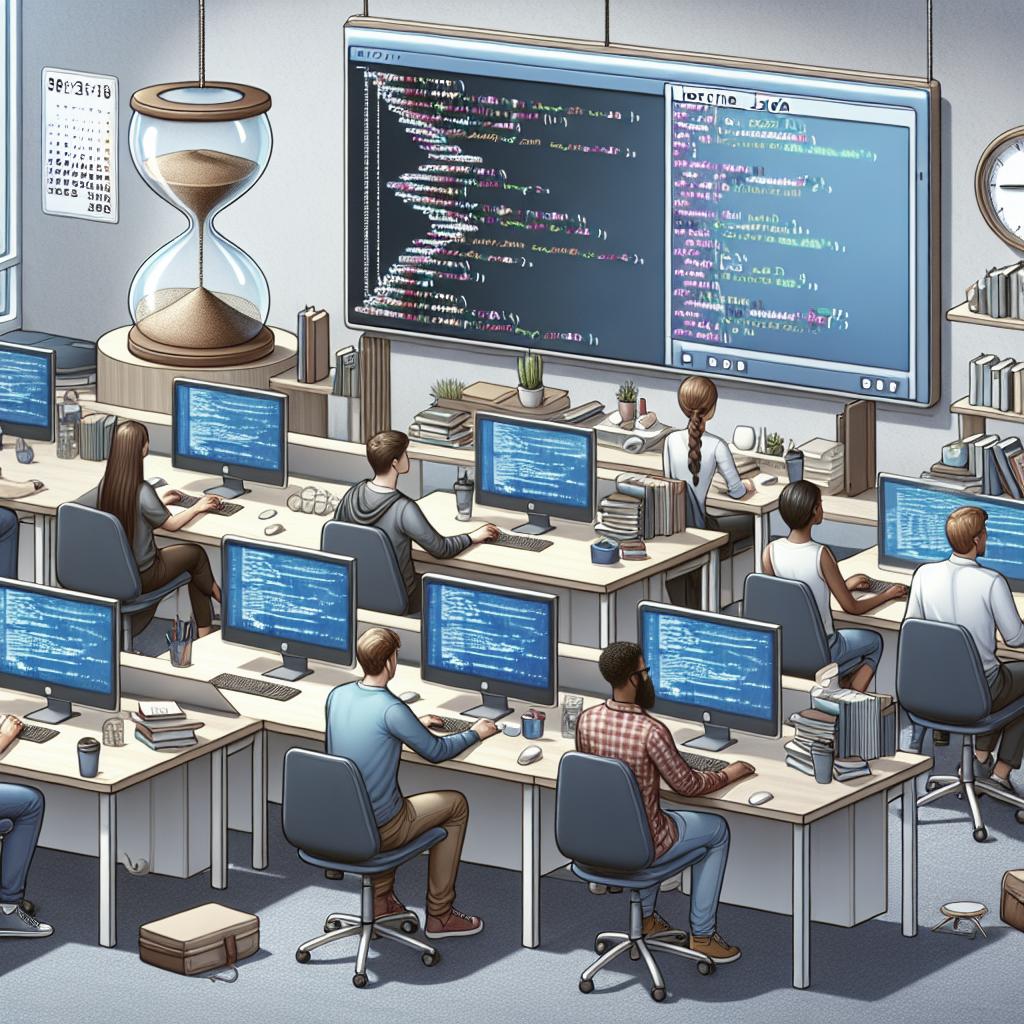
Learning JavaScript can be daunting, especially if you’re new to programming. This blog post aims to shed light on the experience of learning JavaScript, guiding you through the time commitment required, the practical skills you need to develop, and the subsequent steps to mastering frameworks. We’ll help you understand the basic principles, showcase the learning curve, and provide insight into whether this popular language is the right choice for your coding journey.
Is Tech Right For You? Take Our 3-Minute Quiz!
Before diving into the intricacies of JavaScript, it’s essential to evaluate if a career in tech suits your personality and skill set. A short quiz can often clarify whether you have the curiosity, logical thinking, and problem-solving abilities that coding demands. The tech world is vast and dynamic, stretching beyond coding into areas like cybersecurity, data science, and UX/UI design.
If you’re still unsure, use available resources such as online quizzes, career counseling, and talking to professionals in the industry. Sometimes, what you perceive about the tech world can be different from the reality, so an informed decision can save you time and guide your learning path efficiently.
Expect to Spend Months (Not Years) Learning JavaScript Basics
JavaScript is considered more beginner-friendly compared to languages like C++ or Java. Most developers aim to understand its basics within a few months rather than years. Dedicate a minimum of an hour daily, and supplement your learning with interactive coding platforms like Codecademy or FreeCodeCamp to practice building projects and solving problems in real-time.
After grasping the fundamentals, coding regularly will solidify your understanding. Following an established curriculum will offer a structured path, but integrating other learning resources—tutorials, podcasts, and coding challenges—can make the journey more engaging and comprehensive.
So, Is it Easy to Learn JavaScript?
JavaScript might initially seem easy due to its flexible syntax and widespread use in web development. However, like any programming language, it comes with its hurdles. Concepts like asynchronous programming, closures, and prototypal inheritance can be challenging for beginners.
Despite these difficulties, consistency and practice help overcome obstacles. Joining online communities and forums can provide support and answers for any roadblocks you encounter. Additionally, seeking mentorship from experienced developers can fast-track your learning and offer practical insights not always available in textbooks or online courses.
The Next Step: JavaScript Frameworks
Once you’ve covered the basics, the next logical step is to delve into JavaScript frameworks and libraries like React, Angular, or Vue.js. These tools simplify complex tasks and enhance your productivity as a developer. Each framework or library has its learning curve but understanding vanilla JavaScript is crucial before moving on to these advanced tools.
Choosing the right framework often depends on your career goals, project requirements, and even personal preference. Exploring the documentation, community support, and real-world use cases will help you make an informed decision. Mastery of frameworks can open up more advanced career opportunities, making you a versatile and in-demand developer.
Related Articles
If you’ve found this article helpful, consider reading some of our other pieces on web development and technology:
- 10 Common Mistakes Beginners Make in JavaScript
- Understanding the Basics of Asynchronous Programming
- How to Build Your First Web App with React
- Top JavaScript Tools to Enhance Your Development Workflow
Next Steps
| Topics | Key Points |
|---|---|
| Is Tech Right For You? | Determine if tech aligns with your skills and interests through quizzes and research. |
| Learning JavaScript Basics | Commit to months of consistent practice using structured curricula and interactive platforms. |
| Challenges in Learning JavaScript | Initial ease of learning followed by the complexity of advanced concepts; requires consistency and community support. |
| JavaScript Frameworks | Next step after basics; enhances productivity and opens up advanced career opportunities. |
| Related Articles | Recommended further reading on JavaScript and web development topics. |